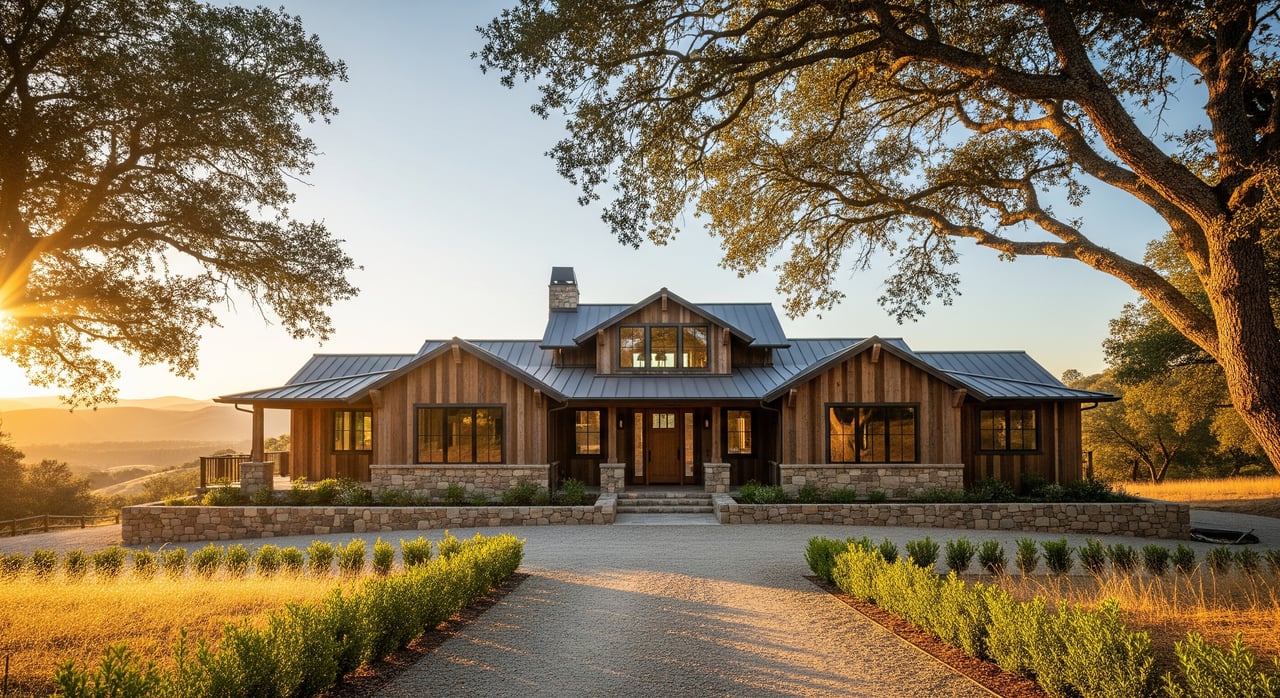
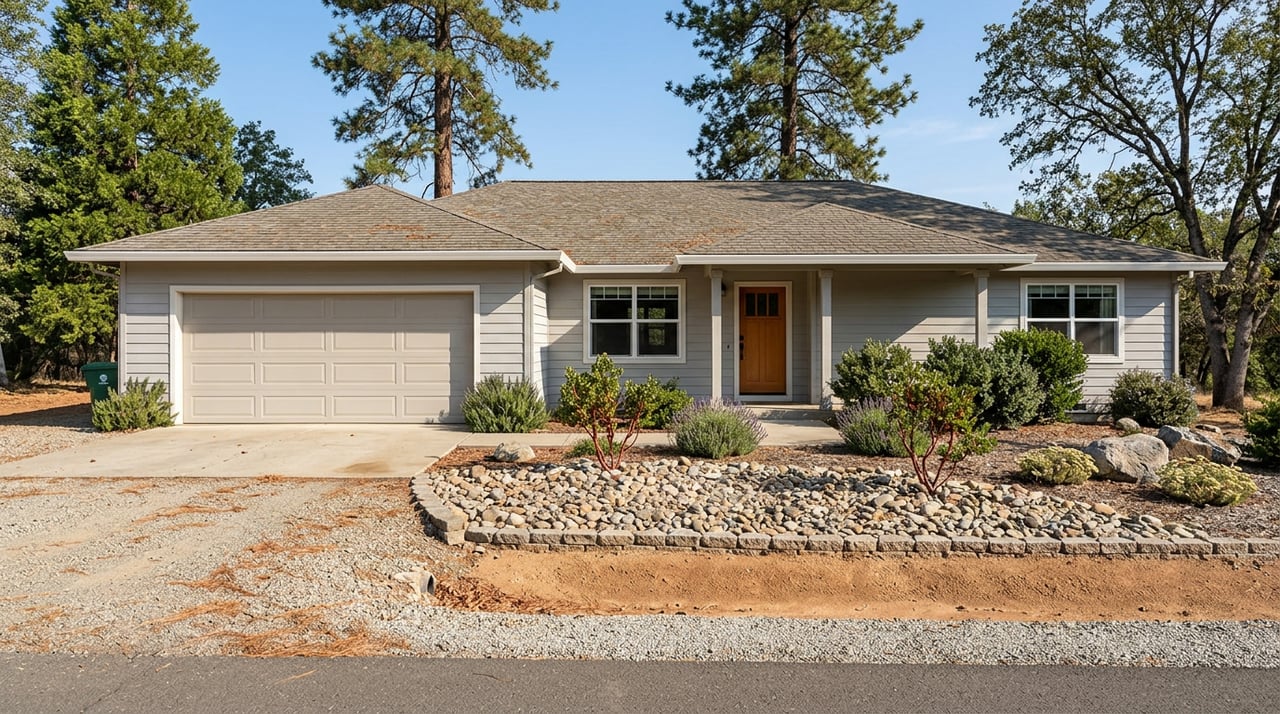
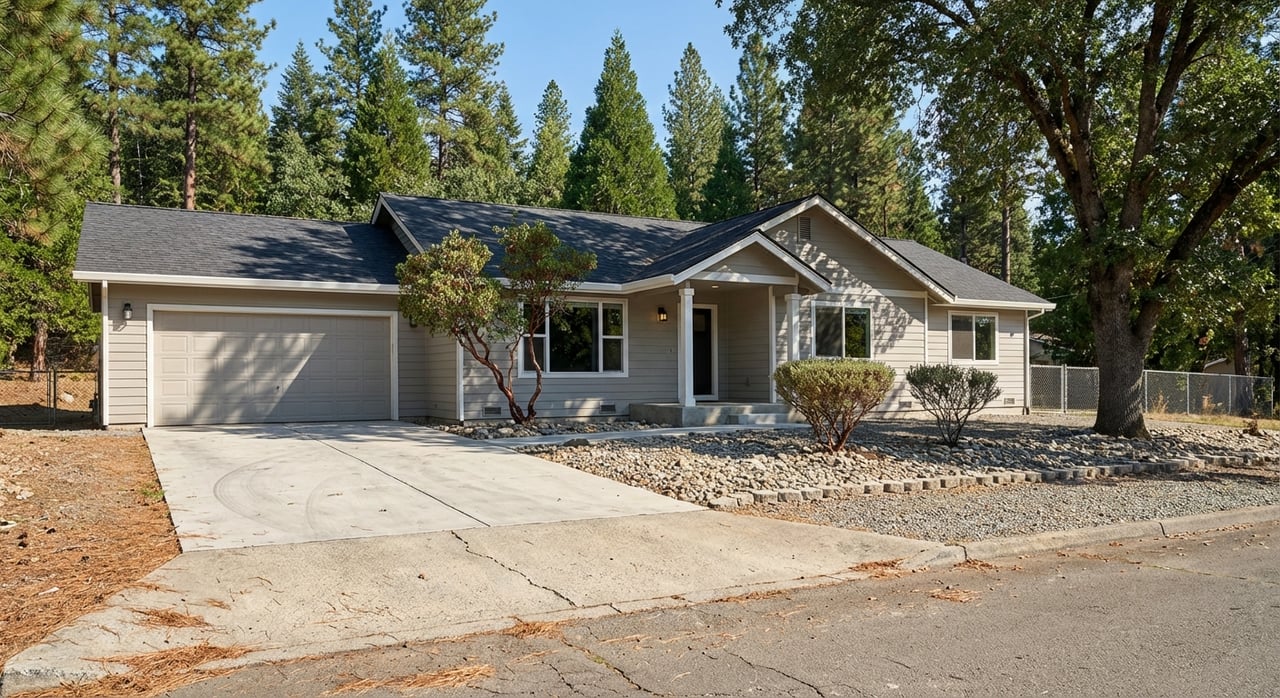
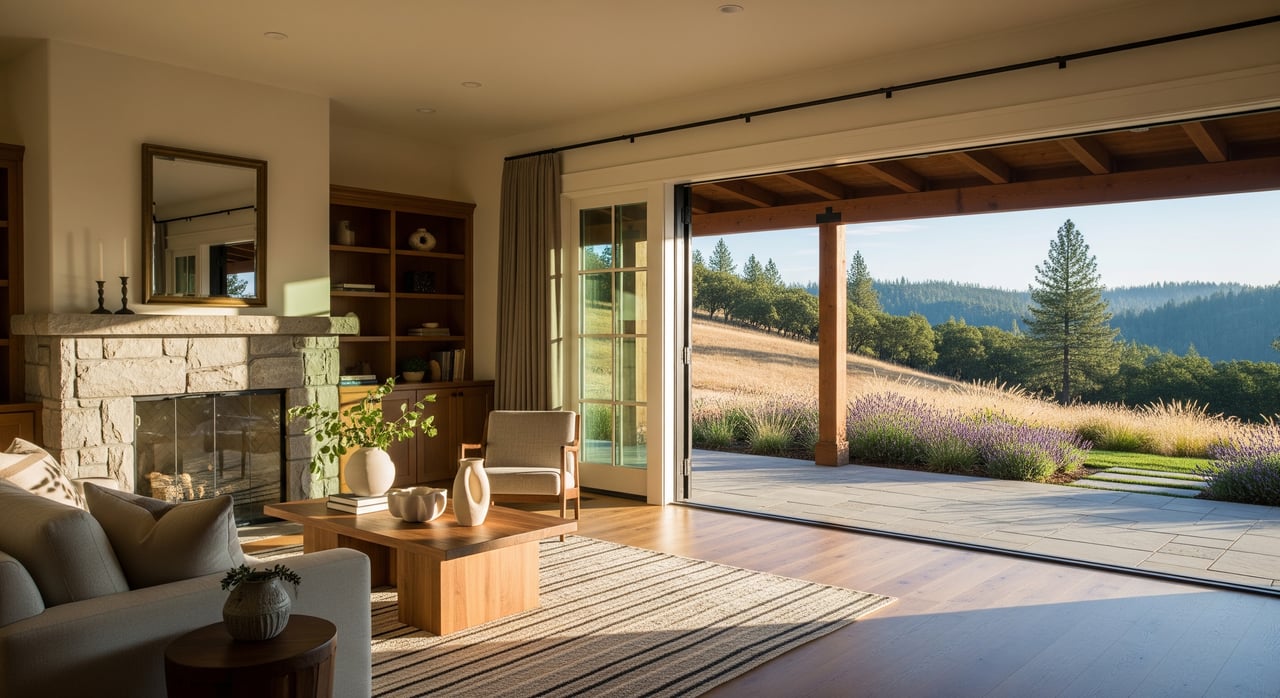
Rebuilding on your Paradise lot or buying an existing home is a big choice. You want a home that fits your budget and your timeline, without unwanted surprises. The Camp Fire recovery changed how insurance, permits, and construction work in Butte County, so a clear plan matters. In this guide, you will learn how costs, timelines, financing, and insurance compare in Paradise so you can move forward with confidence. Let’s dive in.
Quick answer: Which path fits your budget
If you value speed and lower short-term costs, buying an existing home usually gets you moved in sooner with fewer unknowns. If you want a home built to current wildfire-resistant standards and you already own a suitable lot, rebuilding can pay off, but it requires careful planning and strong cost controls.
- Buy if you want faster move-in, a predictable mortgage, and you can handle potential retrofit costs for wildfire hardening.
- Rebuild if you want a home tailored to current codes, you have a qualified builder, and you can carry construction and temporary housing costs for several months.
Cost breakdown in Paradise
Rebuild cost components
Rebuilding has more moving parts and usually more uncertainty up front. Expect costs across these categories:
- Lot prep and debris removal, including hazard tree work and any hazardous-material abatement.
- Site-specific work such as grading, drainage, erosion control, retaining walls, and geotechnical or soils reports.
- Foundations and structure, including slab, raised, or pier systems based on your site.
- Construction hard costs like framing, roofing, siding, windows and doors that meet wildfire-resistant standards.
- Systems and utilities, including plumbing, electrical, HVAC, water district connection or well, and septic or sewer.
- Permits, impact fees, plan check, and school or county fees.
- Professional services for architecture, engineering, and energy compliance.
- Contingency and change orders for price swings and design adjustments.
- Landscaping and required defensible space for fire safety.
- Carrying costs during construction.
Buying cost components
Purchasing an existing home concentrates costs at closing and usually reduces carrying costs before move-in.
- Purchase price and typical closing costs.
- Inspections and any repair credits, especially for roofs, systems, and fire-hardening features.
- Immediate upgrades if needed to meet insurance or local wildfire-mitigation expectations, such as vents, roofing, or siding.
- Ongoing items like utilities, property taxes, and any HOA fees.
Carrying costs that tip the scale
Carrying costs can make or break a rebuild budget. Plan for:
- Interest on land or construction loans, often interest-only during the build.
- Property taxes on the lot, then on the improved value.
- Insurance for a construction site, which differs from standard homeowner coverage.
- Temporary power, sanitation, and site security.
- Temporary housing or rental costs while you build.
- Early permit and inspection fees.
Buying often lowers these short-term carrying costs because you can move in shortly after closing, though you may still invest in wildfire-hardening upgrades.
Timelines in Paradise
Rebuild timeline basics
A new single-family home typically takes 6 to 18 months from design start to move-in, depending on permit speeds, site complexity, and contractor availability.
- Pre-design and feasibility: 1 to 3 months to confirm lot constraints, utilities, and financing.
- Design and permit package: 1 to 4 months for plans and energy compliance.
- Plan check and permits: weeks to months depending on scope and local workload.
- Site work and foundation: 1 to 2 months, longer if remediation or major grading is needed.
- Framing and exterior shell: 1 to 3 months.
- Mechanical, electrical, plumbing, and insulation: 1 to 2 months.
- Interior finishes, landscaping, and final inspections: 1 to 3 months.
Buying timeline basics
Buying can be much faster.
- Home search and offer: weeks to months based on inventory and your criteria.
- Escrow and closing: typically 30 to 60 days with financing.
- Optional repairs or retrofits: minor items can be done in days or weeks; larger projects can take longer but may not delay move-in.
Common local bottlenecks
In Paradise and nearby areas, a few factors can slow projects:
- Permit backlogs tied to ongoing recovery and wildfire-mitigation steps.
- Utility reconnection or upgrades for power, water, wells, and septic.
- Contractor availability that shifts with regional demand.
- Weather and seasonal fire restrictions that affect site work.
Financing options and limits
Rebuild financing
Most rebuilds rely on construction-specific financing.
- Construction-to-permanent loans combine the build phase and your long-term mortgage. They offer one closing but require detailed plans and a qualified builder.
- Stand-alone construction loans fund the build, then convert to a separate mortgage. Expect two closings and requalification for the permanent loan.
- Owner-builder loans are possible but harder to obtain due to lender risk.
- Disaster-recovery loans or grants may be available through federal or state programs depending on the situation.
- Cash or investor financing can reduce interest costs but is less common for most owners.
Construction loans usually require larger down payments, tighter underwriting, approved plans, and builder credentials. Appraisals for new construction in a recovering market can also be complex.
Buying financing
For existing homes, you have familiar options.
- Conventional, FHA, VA, or USDA loans, subject to property and borrower eligibility.
- Rehab-friendly loans like FHA 203(k) or Fannie Mae Homestyle that roll certain upgrades into your mortgage, which can help if you need wildfire-hardening improvements.
Insurance realities and budgeting
Insurance can be the swing factor for both paths, so get quotes early.
- In higher-risk zones, some private carriers may decline coverage or charge higher premiums.
- The California FAIR Plan is a last-resort option for fire coverage and may need to be paired with a separate policy for full protection.
- Lenders require acceptable hazard insurance to fund a loan, whether you buy or rebuild.
- Insurers often require or reward mitigation steps like Class A roofing, ember-resistant vents, and defensible space, which also improve safety.
Risk management and hidden costs
Rebuild surprises to anticipate
Budgeting for a rebuild in Paradise means planning for unknowns.
- Geotechnical issues or soil remediation beyond initial expectations.
- Code updates that require added materials or systems your previous home did not have.
- Utility hookup fees or line extensions when capacity is limited.
- Higher mobilization costs for certain contractors and trades.
A healthy contingency and a clear contract with your builder help reduce risk.
Buying risk controls
Buying can shift some risk to the seller through inspections and credits, but plan for:
- Roof, eaves, vents, siding, and decking upgrades to improve wildfire resistance and insurability.
- Electrical and HVAC updates that improve safety and energy performance.
- Verifying insurability before waiving contingencies.
Paradise-specific checklist
Use this quick checklist before you choose a path.
- Get insurance quotes for both options, including any wildfire-hardening requirements.
- Ask a local builder or designer for a preliminary feasibility review if you plan to rebuild.
- Order early site investigations for geotechnical, drainage, and utility availability.
- Confirm water, septic or sewer, and electrical service capacity before you commit.
- Seek construction-loan pre-approval that is specific to your plans and builder.
- If buying, include inspection contingencies that address fire-hardening and utility conditions.
- Check permitting jurisdiction. Verify whether the property falls in the Town of Paradise or unincorporated Butte County, and follow the correct process.
When rebuilding may make sense
- You own a suitable lot and can carry construction and temporary housing costs.
- You want a home that meets current wildfire-resistant standards and modern codes.
- You have a trusted local builder and clear plans with solid cost controls.
- Insurance is attainable for a new build with mitigation features.
When buying may make sense
- You want a faster move-in and lower short-term carrying costs.
- You prefer a predictable mortgage with fewer construction unknowns.
- You find a home that already includes fire-hardening features or can be upgraded with rehab financing.
- Insurance is available at a cost that works for your budget.
A step-by-step plan you can follow
Define timing and budget. Decide whether speed or customization matters most and set a realistic total spend including carrying costs.
Price insurance first. Get quotes for a new build on your lot and for comparable existing homes in your target area.
Confirm feasibility. For a rebuild, verify utilities, septic or sewer, geotechnical conditions, and local permit requirements.
Line up financing. Seek pre-approval for construction-to-permanent or stand-alone construction loans if rebuilding, or for conventional, FHA, VA, or USDA if buying. Consider rehab-friendly options when you plan upgrades.
Build your team. If rebuilding, select a licensed general contractor, architect, and engineers with wildfire-hardened experience. If buying, hire a local inspector who understands Paradise’s post-fire conditions.
Control risk. Use clear contracts, defined scopes and allowances, and plan for contingencies. When buying, keep inspection and insurability contingencies in place until you confirm terms.
Choose your path. Compare the all-in monthly and upfront costs, the timeline to move-in, and the risk profile that fits your comfort level.
If you want a grounded, local view of specific lots or homes that match your plan, reach out. As a resident agent with deep experience in Paradise-area land, rebuilds, and single-family homes, we can help you map the numbers, the timeline, and the next steps with confidence. Connect with Brady Ware to get started.
FAQs
How do rebuild costs compare to buying in Paradise?
- Rebuilding often carries higher uncertainty and can cost more per square foot due to site work, code updates, and wildfire-hardening requirements. Buying can be less expensive upfront but may need retrofit work.
How long does a Paradise rebuild take from start to finish?
- Most projects take 6 to 18 months from design start to move-in, depending on permits, site conditions, and contractor availability.
What hidden costs catch rebuild owners by surprise?
- Geotechnical remediation, utility extensions or hookup fees, permit and impact fees, wildfire-mitigation features, and temporary housing or other carrying costs.
Can I use a regular mortgage for a rebuild on my lot?
- You typically need a construction loan during the build, either a single-close construction-to-permanent loan or a stand-alone construction loan, then convert to a standard mortgage at completion.
Are disaster-recovery loans available for Paradise projects?
- Federal or state programs, including SBA disaster loans, may be available depending on current declarations and eligibility. Check program availability before you commit.
Will insurers cover a new home or a purchase in high-risk zones?
- Some private carriers will offer coverage when wildfire-hardening measures are in place. The California FAIR Plan may be needed as a last-resort option. Get quotes early because lenders require acceptable coverage.
Should I hire a local contractor for a Paradise rebuild?
- Local contractors often understand regional codes, wildfire-mitigation details, and permit processes. Always verify licensing, insurance, and recent local projects.
What utilities and septic issues should I confirm first?
- Verify water source and capacity, sewer or septic requirements, and electrical service or line extension needs. Early confirmation prevents delays and budget overruns.