Are you moving to Forest Ranch and wondering how to heat your new home through chilly foothill nights and the occasional power shutoff? You’re not alone. Between winter inversions, wildfire smoke, and PSPS events, your choice of heat matters for comfort, cost, and air quality. In this guide, you’ll compare heat pumps, propane, and wood heating for Forest Ranch, learn how to check burn advisories, and see practical next steps to pick the right system for your home. Let’s dive in.
Forest Ranch climate reality
Forest Ranch sits in the Sierra Nevada foothills, so winters bring colder nights than the valley and occasional frost or light snow. Those colder lows and frequent temperature inversions can boost heating demand and trap smoke near the ground on still nights.
Wildfire smoke can affect air quality for long stretches from late spring through fall. During these periods, wood burning is often discouraged or restricted to limit PM2.5 pollution. Power reliability also changes your plan. PG&E uses Public Safety Power Shutoffs in parts of Butte County during high fire risk. You can review planned shutoffs and preparedness tips on PG&E’s Public Safety Power Shutoff page at PG&E’s PSPS information.
Heat pumps at a glance
How heat pumps work
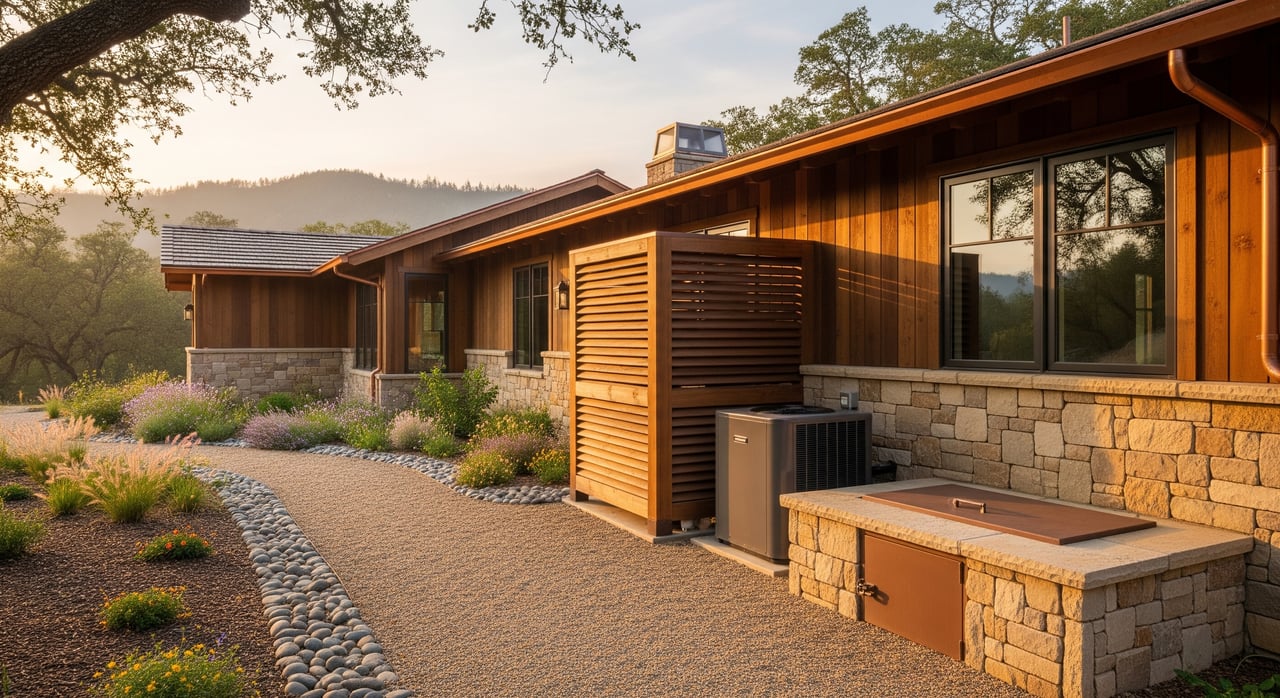
Air-source heat pumps move heat between the outdoors and indoors rather than generating it. Modern models, including cold-climate systems, can perform efficiently even below freezing. For a clear overview, see the U.S. Department of Energy’s guide to heat pump systems.
Pros
- High efficiency that can reduce operating costs compared with electric resistance heat.
- One system handles both heating and cooling.
- Clean at the point of use, which supports better indoor air quality.
- Often eligible for rebates or tax credits, depending on current programs.
Cons
- Requires electricity, so plan for outages if you rely on a heat pump.
- Upfront costs can be higher for whole-house systems.
- Efficiency drops in very cold temperatures and may need backup or auxiliary heat.
- Ductless mini-splits may need multiple indoor heads for even heating in larger homes.
Local tips
- Choose a cold-climate model sized for Forest Ranch design temps. NEEP’s guidance can help you evaluate models built for colder conditions. Review NEEP’s cold-climate heat pump resources.
- Consider a hybrid setup. Many homeowners use a heat pump as the primary system with propane or electric resistance backup for very cold snaps.
- If having heat during an outage is essential, pair with a properly sized battery or generator.
Propane heating basics
How propane systems work
Propane systems store liquid propane in an on-site tank and burn it in a furnace, boiler, or space heater. It’s common in rural areas without natural gas. For fundamentals and safety tips, see the Propane Education & Research Council.
Pros
- Strong, steady heat output and quick recovery.
- Familiar to many local HVAC contractors for service and repairs.
- Can operate during outages if the model is non-electronic or backed by a small generator.
Cons
- Fuel prices can be volatile. Costs shift with market conditions and usage patterns. For context, review the EIA’s propane overview at the U.S. Energy Information Administration.
- Requires a storage tank and proper siting with setbacks and permits.
- Produces on-site combustion emissions and requires proper venting and CO monitoring.
Local tips
- Set delivery thresholds and maintain multiple supplier contacts to avoid running out during storms or evacuations.
- If you rely on a forced-air propane furnace, plan for the electricity needed to run the blower. A small generator may be enough for controls and fans.
- Confirm permit and setback requirements before tank installation through Butte County’s Building Division.
Wood heat in practice
Options
Wood heat includes freestanding wood stoves, pellet stoves, and fireplaces. Modern EPA-certified stoves and pellet units offer lower emissions than older, uncertified devices. The EPA’s Burn Wise program explains health impacts and best practices at EPA Burn Wise.
Pros
- Off-grid heat when the power is out.
- Potentially low fuel cost if you have access to seasoned wood and storage space.
- Strong sense of resiliency during extended outages.
Cons
- Wood smoke contains fine particulate matter that affects health, especially during winter inversions and wildfire smoke events. See health guidance from the California Air Resources Board.
- Requires ongoing labor for cutting, stacking, seasoning, and tending the fire.
- Older or improperly operated stoves can produce high emissions and increase chimney fire risk.
Burn rules and air quality
- Inversions and stagnant nights can trap smoke, so local air districts may declare no-burn or curtailment days. Check the Butte County Air Quality Management District for local rules and daily status at the Butte County AQMD.
- For current air quality and smoke maps, use AirNow’s AQI tools.
- If you must burn during poor air quality, use only dry, seasoned wood, run EPA-certified appliances hot and clean, and avoid smoldering fires.
What to check before you choose
Assess the house first
- Insulation and air sealing. Tighter homes need smaller systems and can make heat pumps more attractive.
- Existing infrastructure. Note duct condition, chimney status, and fuel hookups to understand retrofit costs.
- Layout and zoning. Ductless systems may require multiple indoor heads for even coverage.
Clarify your goals
- Efficiency and operating cost versus upfront budget.
- Resiliency during outages and how important off-grid heat is for your household.
- Air quality and health priorities.
- Emissions and long-term decarbonization goals.
Match systems to priorities
- Efficiency and low emissions: a cold-climate heat pump sized for local conditions, possibly with backup heat.
- Maximum outage resilience without electricity: an EPA-certified wood stove, with strict attention to local burn rules and air quality.
- Familiarity and high heat output: a propane furnace with reliable delivery plans.
- Hybrid approach: mix and match. Many homeowners use a heat pump for most days and a propane or wood stove for very cold nights or outages.
Cost and maintenance snapshot
- Heat pumps: Higher upfront cost for whole-house systems, lower operating costs compared to electric resistance, and require periodic filter cleaning and annual service. Ask installers for load calculations and cold-climate specifications.
- Propane: Comparable upfront cost to gas furnaces. Ongoing cost depends on local fuel prices and usage. Annual servicing plus CO detector checks are recommended.
- Wood: Lower initial cost for a basic stove but higher labor and maintenance. Schedule annual chimney inspections and cleaning to reduce creosote and fire risk. Choose EPA-certified appliances.
Air quality and burn-day checks
- During winter, check burn-day status each morning before lighting a fire. Visit the Butte County AQMD for local rules and daily advisories.
- During wildfire season, check air quality multiple times per day. Use AirNow’s current AQI and smoke maps and follow local emergency guidance.
- When advisories are in effect, avoid wood burning and switch to cleaner options like heat pumps or propane. Indoors, close windows, run HEPA purifiers if available, and limit activities that add indoor particles.
Permits, codes, and incentives
- Permits: Wood stoves, propane tanks, and many HVAC installs require permits and inspections. Start with the Butte County Building Division to confirm requirements.
- Power safety: Review PG&E’s PSPS information and plan for backup power if you need heat during outages.
- Incentives: Federal and California programs often support heat pumps and electrification measures. Check the DOE’s overview of heat pump systems and local utility programs for current offerings.
Your next steps
- Get quotes from two or three local contractors and request system sizing based on Forest Ranch design temperatures.
- Confirm burn rules, permits, and installation clearances before you buy equipment.
- Decide on backup power if you rely on electric heat or pellet stoves.
If you’re shopping for a Forest Ranch home, your heating plan should match the property. Chimney condition, ductwork, insulation, and fuel access can change the math. If you’re selling, smart upgrades and clear disclosures can boost buyer confidence. For local, practical guidance on homes and land across Butte County, reach out to Brady Ware for a friendly conversation about your goals. Get Your Instant Home Valuation.
FAQs
Are heat pumps efficient in Forest Ranch winters?
- Yes. Cold-climate heat pumps are designed for below-freezing temps, but you may want backup heat for very cold snaps or outages.
How do PSPS outages affect heating choices in Forest Ranch?
- Electric systems stop during shutoffs unless you have backup power. Propane and wood can provide heat, though many propane furnaces still need electricity for fans.
Can I use a wood stove during wildfire smoke events?
- Often it’s discouraged or restricted. Check the Butte County AQMD and AirNow before burning, and choose cleaner heat when AQI is poor.
What permits are needed for wood stoves and propane tanks in Butte County?
- Wood appliances and propane tanks typically require permits and inspections. Start with the Butte County Building Division to confirm details.
How often should I check burn-day status in winter?
- Check daily in the morning and again before lighting a fire, since inversions and air quality can change during the day.