From Lake To Downtown: A Homebuyer’s Guide To Oroville Living
April 2, 2026
April 2, 2026
If you are thinking about buying in Oroville, one of the biggest questions is simple: do you want to live closer to the lake or closer to downtown? Both sides of Oroville offer something valuable, but they support very different day-to-day routines. This guide will help you compare lifestyle, housing stock, convenience, and what to watch for as you search, so you can move forward with more confidence. Let’s dive in.
Oroville gives you more variety than many buyers expect. According to the city’s 2022-2030 Housing Element, the city had 7,439 housing units in 2021, including single-family homes, attached homes, smaller multi-unit properties, larger apartment buildings, and mobile homes. That mix is broader than Butte County overall, which means you may have more options here depending on your budget and goals.
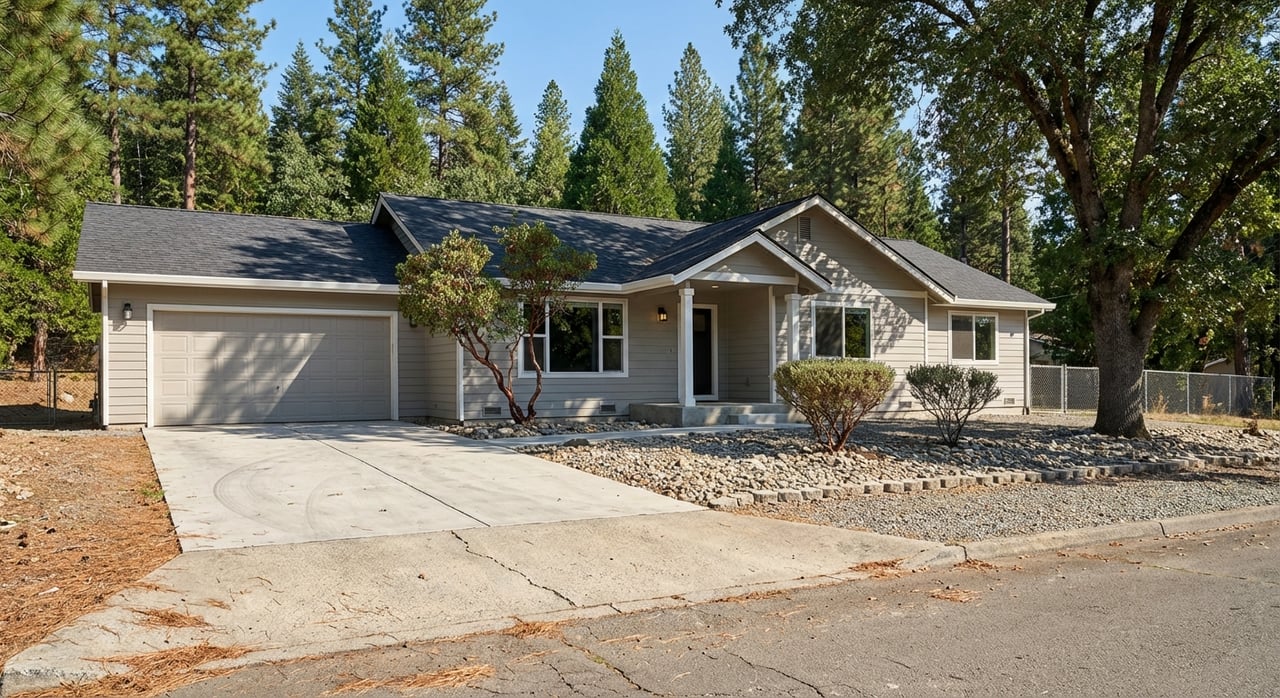
The city’s housing stock also trends older. The same report says 48.4% of homes were built from 1950 to 1979 and 25.9% were built in 1949 or earlier. For you as a buyer, that often means more character, more variety, and more need to look closely at condition, maintenance, and updates.
At a citywide level, the U.S. Census QuickFacts reports a median owner-occupied home value of $311,600, a median gross rent of $1,093, an owner-occupied housing rate of 53.0%, and a mean commute time of 19.9 minutes. Those are broad averages, but they help frame Oroville as a place where lifestyle tradeoffs matter just as much as price.
If your ideal weekend starts with water, trails, or time outdoors, the lake side of Oroville may feel like a natural fit. Lake Oroville State Recreation Area covers about 28,450 acres near the city and, at maximum lake elevation, offers about 15,500 surface acres and 167 miles of shoreline. That is a major lifestyle draw if you want easy access to recreation.
The park highlights activities including boating, hiking, fishing, swimming, horseback riding, camping, boat-in camping, and floating campsites. The visitor center is off Highway 162 on Kelly Ridge Road, and the marina area includes accessible parking, restrooms, boat slips, and a marina store. If being close to these amenities is a priority, the lake side can offer a very different rhythm than the more service-oriented parts of town.
What the lake side usually does not prioritize is walkability to a dense mix of daily errands. Based on the city’s description of downtown and the commercial core, the lake-oriented area is better understood as an outdoor-access lifestyle zone. If you value scenery, recreation, and a little more separation from busier commercial areas, that tradeoff may work well for you.
The lake side may be worth a closer look if you:
If you want historic character and easier access to services, downtown Oroville offers a different experience. The city describes Downtown Oroville as a walkable, densely populated neighborhood with some of the oldest buildings in the city, along with tree-lined streets, Victorians, bungalows, museums, eateries, boutiques, and a riverfront trail. The city also notes that on-street and off-street parking is free downtown.
For many buyers, that description points to a more connected daily routine. You may be closer to civic buildings, local businesses, and established residential blocks with older homes and varied architecture. If you like places with visible history and a more traditional neighborhood feel, downtown may stand out.
The city’s zoning information also notes an effort to allow different types of housing while keeping the traditional feel of downtown neighborhoods. That matters because it suggests you are not looking at a one-style market. Instead, you may find older character homes, smaller-scale residential patterns, and a housing mix that reflects the area’s long history.
Downtown may be a strong option if you:
For everyday convenience, the broader commercial core plays an important role. The city says the Commercial Core includes the Oro Dam and Feather River commercial areas plus part of Olive Highway near Oroville Hospital, and describes it as freeway- and transit-oriented. The same city page notes that the Oro Dam commercial area is the main route to and from Lake Oroville and includes some of the city’s largest retailers.
For you, that means location can shape how easy your routine feels. If you live closer to downtown or the core, daily needs like shopping, appointments, and errands may be easier to manage. If you buy closer to the lake, you may gain more recreation access but depend more on driving into the core for services.
The same district overview places City Hall and the Butte County Office of Education in downtown, while separately identifying the County Campus and Health District near the core, with the Health District centered on Oroville Hospital and related offices. That makes the downtown and core side of Oroville the city’s main hub for civic and medical errands.
Transportation matters, especially if you want flexibility beyond driving. According to BCAG, B-Line operates 22 local and intercity fixed routes, with weekday service from 5:50 a.m. to 10:00 p.m. and Saturday service from 7:00 a.m. to 10:00 p.m. BCAG also lists an adult fare of $1.75.
BCAG says rural routes are oriented around the Spencer Avenue transit center in Oroville. If transit access matters to you, that can make homes closer to town and the core more practical. Buyers who expect to rely mostly on personal vehicles may feel more flexible about choosing a lake-oriented location.
Because much of Oroville’s housing stock is older, a smart home search here is often about more than location alone. The city’s housing data shows a large share of homes were built before 1980, and many were built much earlier. That does not make older homes a bad choice, but it does mean you should weigh charm and character alongside upkeep.
As you compare homes, it helps to pay attention to:
If you are considering an older downtown home, you may be drawn to architectural detail and neighborhood character. If you are shopping closer to the lake, your focus may lean more toward access, views, storage for recreation equipment, or how the property supports an outdoor routine. In either case, matching the house to your everyday life is just as important as matching the price to your budget.
| Feature | Lake-side Oroville | Downtown Oroville |
|---|---|---|
| Main appeal | Outdoor recreation access | Walkability and historic character |
| Daily lifestyle | Recreation-first | Service- and activity-oriented |
| Nearby amenities | Lake, trails, marina, camping | Eateries, boutiques, museums, riverfront trail |
| Errands and services | More drive-dependent | Closer to civic and medical hubs |
| Housing feel | Lifestyle-driven location choice | Older homes and traditional neighborhood patterns |
A good Oroville home search starts with honest priorities. If your free time revolves around the lake, you may be happier giving up some convenience in exchange for faster access to the water and trails. If your ideal day includes a more connected in-town routine, downtown or the nearby core may make more sense.
Try asking yourself a few practical questions:
The right answer is personal. Oroville works best when your location matches the way you actually live, not just the way a home looks online.
If you want help sorting through Oroville neighborhoods, comparing older homes, or narrowing down what fits your goals in Butte County, Brady Ware offers practical, local guidance built around clear communication and hands-on support.
Whether you're buying, selling, or renting, my goal is to make your real estate experience as smooth and successful as possible. With a deep knowledge of the local market and a passion for helping clients find their perfect space, I'm here to guide you every step of the way.
Get In Touch With Brady To Learn More